
Why Freezer Repair in Prairie Village, KS Shouldn’t Wait Until Next Week?
Key Takeaways
- A freezer holding stocked food can represent several hundred dollars of inventory, and even short malfunctions can compromise safety.
- Small issues like frost buildup, unusual noises, or temperature fluctuations often signal early-stage component wear that worsens over time.
- A struggling compressor uses more electricity, which can quietly raise monthly utility costs before the unit fails completely.
- Prompt diagnosis typically involves fewer parts and less labor than waiting until a full breakdown occurs.
- Choosing a qualified, transparent technician helps homeowners make informed decisions about repair versus replacement.
Introduction
Freezer repair in Prairie Village, KS shouldn’t wait until next week because every day of delay increases three measurable risks: the value of food at stake, the strain placed on the compressor and sealed system, and the additional electricity the appliance draws as it struggles to maintain temperature. For households in Prairie Village, where stocked freezers often hold significant grocery investments and where a working kitchen is central to daily routines, these factors add up quickly. Understanding what happens inside a malfunctioning freezer helps homeowners make timely, informed choices rather than reactive ones.
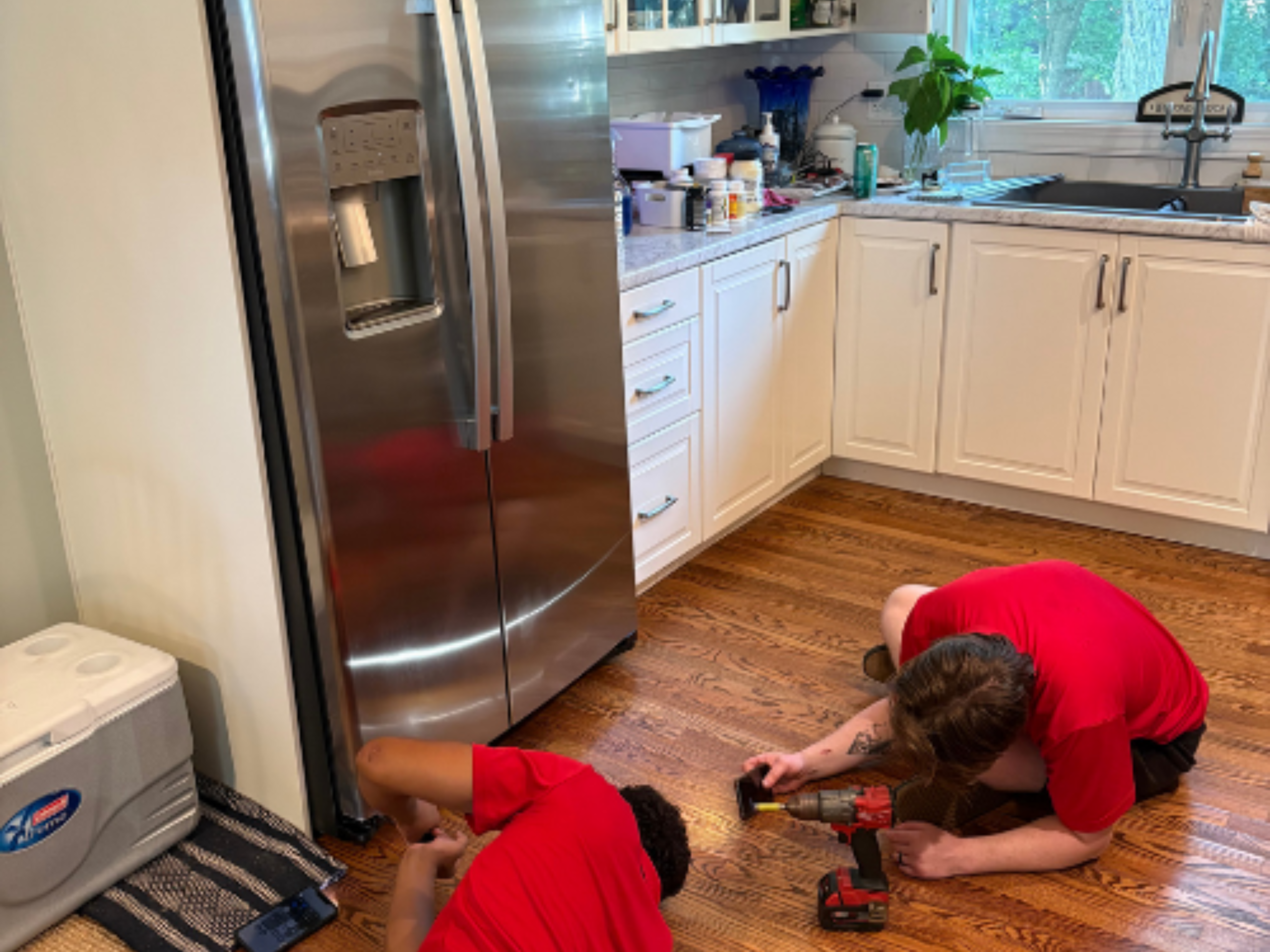
Understanding What’s Actually at Stake
A freezer is not a passive appliance. It is a continuously operating system that depends on a sealed refrigerant loop, a compressor, evaporator coils, fans, defrost components, and temperature sensors. When one part begins to fail, the others compensate, which often hides the problem until damage spreads.
Waiting “just a few more days” is rarely neutral. The unit continues to run, sometimes harder than it should, and the financial and safety implications grow with each cycle.
The Food-Loss Math Most Homeowners Overlook
A typical mid-to-large household freezer in a Prairie Village home may contain anywhere from $300 to $800 worth of frozen food, including meats, prepared meals, baked goods, and bulk-purchased items. According to USDA food safety guidance, frozen food can remain safe for roughly 24 to 48 hours in a full, unopened freezer during a power or cooling failure, and significantly less in a partially filled one.
Once internal temperatures rise above 40°F for more than two hours, perishable items must generally be discarded. That means a freezer that quietly drifts warmer over a weekend can produce a substantial, avoidable loss.
The Hidden Compressor Risk
The compressor is the most expensive single component in most freezers. When the system struggles, due to dirty condenser coils, low refrigerant, a failing start relay, or a worn fan motor, the compressor runs longer and hotter than designed.
Extended thermal stress shortens its operating life. A small early repair, such as replacing a relay or cleaning coils, is generally far less involved than addressing a compressor that has been overworked for weeks.
How Delay Affects Your Energy Bill
A freezer in good condition operates in predictable cycles. A struggling one runs nearly continuously, and the difference shows up on monthly utility statements.
Why a Failing Freezer Uses More Electricity
When door seals weaken, frost builds up on evaporator coils, or the defrost system malfunctions, the unit must work harder to remove heat. The compressor cycles more often, fans run longer, and the appliance draws more power to achieve the same internal temperature.
Homeowners often notice slightly higher electric bills before they notice the freezer itself is failing. By that point, the inefficiency has usually been ongoing for weeks.
Seasonal Factors in Prairie Village
Kansas summers bring high ambient temperatures and humidity, which add load to any refrigeration system. A freezer placed in a garage, basement, or warm utility area faces even greater stress.
In humid conditions, frost forms faster, door gaskets degrade sooner, and condenser coils collect dust more quickly. These environmental realities make early diagnosis particularly relevant for local households.
Book a Freezer Repair Repair Now!
Common Warning Signs That Shouldn’t Be Ignored
Most freezer failures announce themselves before they become emergencies. Recognizing the signals early gives homeowners time to schedule service on their own terms rather than during a crisis.
Temperature Inconsistency
If ice cream is soft, frozen vegetables feel rubbery, or items near the door thaw partially, the freezer is not holding its set temperature. This often indicates airflow problems, sensor issues, or early sealed-system concerns.
Frost or Ice Buildup
Heavy frost on the back wall, around the door, or inside the freezer compartment usually points to a defrost system fault or a compromised door seal. Frost insulates the coils, which forces the unit to run longer.
Unusual Noises
Clicking, buzzing, humming louder than usual, or sudden silence can each indicate different mechanical issues, from a failing start relay to a struggling evaporator fan. None of these sounds should be considered normal background operation.
Water or Condensation
Pooled water inside the freezer, around its base, or behind it may indicate a blocked defrost drain or a refrigerant-related condensation issue. Beyond the appliance problem, water near flooring and electrical outlets introduces additional risk.
Repair Versus Replace: A Practical Framework
Not every freezer issue calls for replacement, and not every repair is worth pursuing. A qualified technician can help homeowners evaluate the situation based on age, condition, and likely repair cost.
When Repair Often Makes Sense
Freezers under roughly 8 to 10 years old, with a single identifiable fault and intact major components, are often good candidates for repair. Common fixes such as thermostats, relays, fans, gaskets, and defrost heaters are typically straightforward.
When Replacement May Be the Better Path
Units approaching the end of their typical service life, with multiple failing components or sealed-system damage, may not be worth significant investment. A transparent diagnosis helps homeowners weigh repair cost against the value and efficiency of a newer model.
What to Expect From a Qualified Service Visit
A professional freezer repair appointment generally begins with a diagnostic inspection. The technician examines temperatures, electrical components, airflow, refrigerant indicators, and the condition of seals and coils.
After the inspection, the homeowner should receive a clear explanation of what is wrong, what parts are involved, and what the repair will cost before work begins. Reputable technicians do not pressure decisions or proceed without authorization.
Questions Worth Asking
Homeowners can ask about the technician’s experience with the specific brand, whether replacement parts are OEM or aftermarket, and what kind of warranty applies to the work performed. These questions support informed decisions rather than assumed ones.
Conclusion
A freezer problem that seems minor on Monday rarely stays minor by the weekend. Food loss, compressor strain, and rising energy use are all measurable consequences of delay, and each one becomes harder to reverse the longer the appliance operates in a compromised state. For Prairie Village homeowners, the value of acting promptly is not about urgency for its own sake, but about preserving food investments, protecting the appliance’s most expensive components, and keeping household energy use predictable. Informed, timely decisions, supported by a qualified technician’s honest assessment, generally produce better outcomes than waiting to see what happens.
Book a Discovery Call
If you’ve noticed warning signs with your freezer or simply want a clearer understanding of its condition, an informational consultation can help. A qualified technician can walk you through what’s happening inside your appliance, outline your options, and provide a transparent assessment, with no pressure to commit to any specific service.
This kind of conversation is designed to support informed decisions, not to push a particular outcome. Whether the appropriate next step is a minor repair, scheduled maintenance, or planning for eventual replacement, clarity comes first.